Reading Women’s Health Drug News: Populations, Endpoints, and Evidence
From new hot-flash mechanisms to targeted cancer therapy: examine the population, comparison and outcomes before deciding how close a “breakthrough” is to your needs.

In this article
In 2026, US drug regulators approved successive new combination treatments for platinum-resistant ovarian cancer. Nonhormonal medicines with different mechanisms became available for menopausal hot flashes, while maternal vaccines can now transfer antibodies through the placenta to protect newborn infants. These advances are entering clinical practice, a clear step beyond laboratory "potential."
Yet placing them in one research-and-development list makes misinterpretation easy. One medicine extended overall survival in a defined patient group; another only increased tumor response in a single-arm study. Some vaccines are approved, while other projects are still observing antibody levels. All deserve attention, but their evidence answers different questions.
This article organizes international developments in gynecological oncology, reproductive endocrinology, maternal prevention, and menopause treatment, with information checked through October 7, 2026. Regulatory status primarily follows relevant US FDA and EU EMA documents. Discussing an overseas approval does not imply identical indications, supply channels, or payment policies in China.
1. To Understand New Drug News, First Identify the Population and Endpoint
"Approved" is a regulatory conclusion, and every restriction in the indication matters. Tumor subtype, target expression, previous treatment lines, and prior exposure to particular medicines can determine whether a new treatment applies. Remove these conditions and write only "a new drug arrives for a cancer," and the information loses clinical meaning.
| Evidence or status | The question it answers |
|---|---|
| Randomized controlled trial | In the specified population, did the new regimen provide benefit over the comparator? Blinding, follow-up, attrition, and adverse effects still matter. |
| Single-arm clinical study | What happened after treatment? Without a contemporaneous comparator, net benefit relative to existing care is difficult to estimate. |
| Accelerated approval | Regulators permit earlier marketing based on specific endpoints and may require confirmatory research. This does not establish every long-term outcome. |
| Early human study | Primarily examines safety, tolerability, pharmacokinetics, and related issues; usually cannot establish effectiveness in routine use. |
| Consensus, guidelines, and commentaries | Respectively standardize terminology, formulate practice recommendations, or discuss emerging developments. Expectations in a commentary do not automatically become treatment recommendations. |
Preserve endpoints when reading study figures. Overall survival is the time from a specified starting point to death. Progression-free survival includes disease progression or death. Objective response rate is the proportion meeting specified imaging criteria for tumor shrinkage. Tumor shrinkage does not equal cure, and higher response rates cannot be directly converted into additional years of life.
| Why one drug cannot be described by a single "effectiveness rate": change the disease subtype, population, or assessment method and the figure may change. The charts below show comparisons only within their respective trials. They neither rank drugs using percentages from different trials nor interpret median survival as the lifespan every individual will gain. |
|---|
2. Gynecological Oncology: Target Testing Begins to Shape Drug Selection
FRα-Targeted ADCs: Benefit Now Supported by a Randomized Trial
Antibody–drug conjugates, or ADCs, link an antibody recognizing a specific antigen to a cytotoxic drug. This can increase delivery to target cells, but does not mean activity is restricted to cancer cells or systemic adverse effects disappear. Different antibodies, linkers, and payloads create different efficacy and toxicity profiles.
Mirvetuximab soravtansine, abbreviated below as MIRV, targets folate receptor alpha, or FRα. In March 2024, the FDA converted the relevant indication to traditional approval: adults with FRα-positive, platinum-resistant epithelial ovarian, fallopian tube, or primary peritoneal cancer who had received one to three prior systemic regimens, with patients selected through an approved test.[1,2]
MIRASOL, supporting this conclusion, was an open-label randomized phase III trial involving 453 participants. Enrollment required high tumor FRα expression, specifically at least 75% of cells meeting the specified staining intensity. The paper reported median overall survival of 16.46 versus 12.75 months for MIRV versus investigator-choice chemotherapy, with a hazard ratio for death of 0.67, 95% confidence interval 0.50–0.89. Median progression-free survival was 5.62 versus 3.98 months, and objective response rates were 42.3% versus 15.9%.[1]
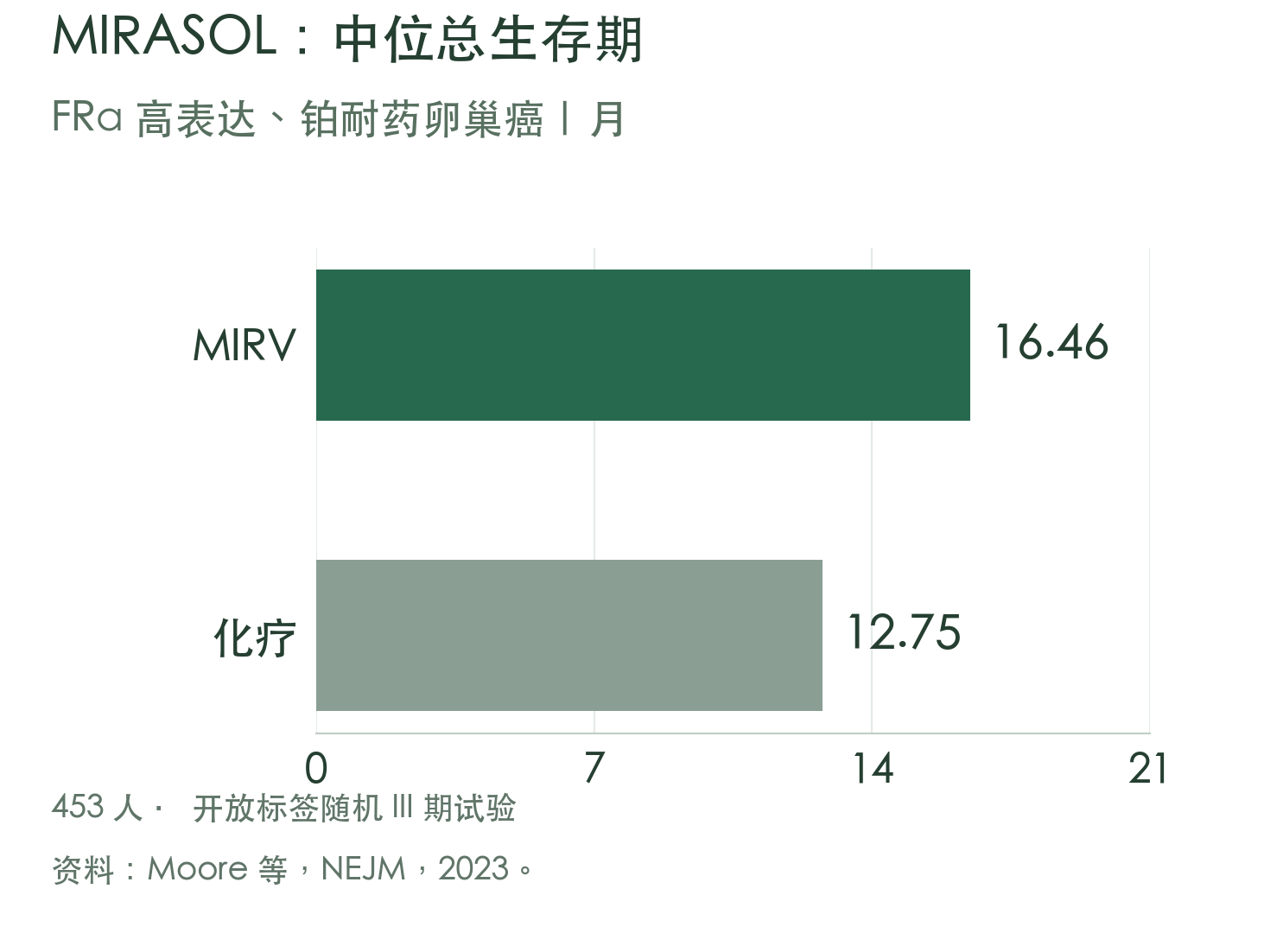
Figure 1 | MIRASOL: 453 participants with high FRα expression and platinum-resistant disease. Data from the NEJM 2023 paper. Bars show medians, not survival curves or predictions of individual lifespan.[1]
The clinical value is that a biomarker test can help identify patients better suited to this treatment. Meanwhile, ocular toxicity is part of treatment management, not an issue adequately covered by "watch for side effects" at the end of an article. Baseline and subsequent ophthalmic assessments, symptom tracking, and necessary treatment adjustments must follow prescribing information and the care team's arrangements. Pneumonitis, peripheral neuropathy, and other risks also require attention.[2]
Cervical Cancer and HER2: Precision Treatment Has Different Conditions
Tisotumab vedotin targets tissue factor. The FDA granted traditional approval in April 2024 for recurrent or metastatic cervical cancer progressing during or after chemotherapy. The indication does not require prior selection by tissue-factor expression, but that does not mean every patient is suitable. Ocular surface disease, significant neuropathy, and bleeding risk still affect selection.[3,4]
innovaTV 301 enrolled 502 participants. Median overall survival was 11.5 versus 9.5 months for the drug versus chemotherapy, hazard ratio 0.70, 95% confidence interval 0.54–0.89. Median progression-free survival was 4.2 versus 2.9 months. These findings support benefit in a defined later-line setting; they cannot extend to all stages of cervical cancer or replace screening, vaccination, and appropriate early treatment.[3]
The tumor-agnostic pathway for trastuzumab deruxtecan, T-DXd, instead depends on HER2 status. The FDA's relevant 2024 accelerated approval was limited to adults with HER2 IHC 3+, unresectable or metastatic solid tumors, prior systemic treatment, and no satisfactory alternative options. It was not approval for any degree of HER2 expression.[5,6]
DESTINY-PanTumor02 was a single-arm phase II study of 267 participants. Its centrally tested IHC 3+ subgroup contained 75 people, with an investigator-assessed objective response rate of 61.3%. FDA review also integrated other studies and used independent central assessments, so figures from different analysis sets must not be combined into a universal "effectiveness rate." The study reported drug-related interstitial lung disease in 10.5%, including three deaths, demonstrating why pulmonary risk must accompany discussion of benefit.[5,6]
| Treatment pathway | What must be confirmed before treatment? |
|---|---|
| FRα-targeted MIRV | Cancer type, platinum resistance, prior treatment lines, and FRα results from the specified test; ocular and other safety assessments. |
| Tissue-factor-targeted tisotumab vedotin | Recurrent/metastatic cervical cancer with progression after prior chemotherapy; ocular surface, bleeding, and neuropathy risks. |
| HER2-targeted T-DXd tumor-agnostic indication | Strong HER2 IHC positivity, prior systemic treatment, and alternative options; pulmonary and cardiac risks. |
Illustrative photograph | A laboratory research setting, not a photograph from the trials discussed here.
Two New Combinations in 2026: Both Still Include Chemotherapy
On February 10, 2026, the FDA approved pembrolizumab with paclitaxel, with or without bevacizumab, for specified platinum-resistant ovarian, fallopian tube, or primary peritoneal cancer. The indication requires PD-L1 CPS ≥1 and one to two prior systemic regimens.[7]
KEYNOTE-B96 enrolled 643 participants. Among the 466 with CPS ≥1, median progression-free survival was 8.3 versus 7.2 months for the new combination versus control, hazard ratio 0.72. Median overall survival was 18.2 versus 14.0 months, hazard ratio 0.76, 95% confidence interval 0.61–0.94. Chemotherapy backgrounds were matched between groups. The study tested the added benefit of immunotherapy, so the entire outcome cannot be attributed to one drug alone.[7]
On March 25, the FDA also approved the glucocorticoid receptor antagonist relacorilant with nab-paclitaxel. The indication requires one to three prior systemic regimens, at least one containing bevacizumab. ROSELLA enrolled 381 participants. Median progression-free survival was 6.5 versus 5.5 months for the combination versus nab-paclitaxel alone; median overall survival was 16.0 versus 11.9 months, with a death hazard ratio of 0.65, 95% confidence interval 0.51–0.83.[8]
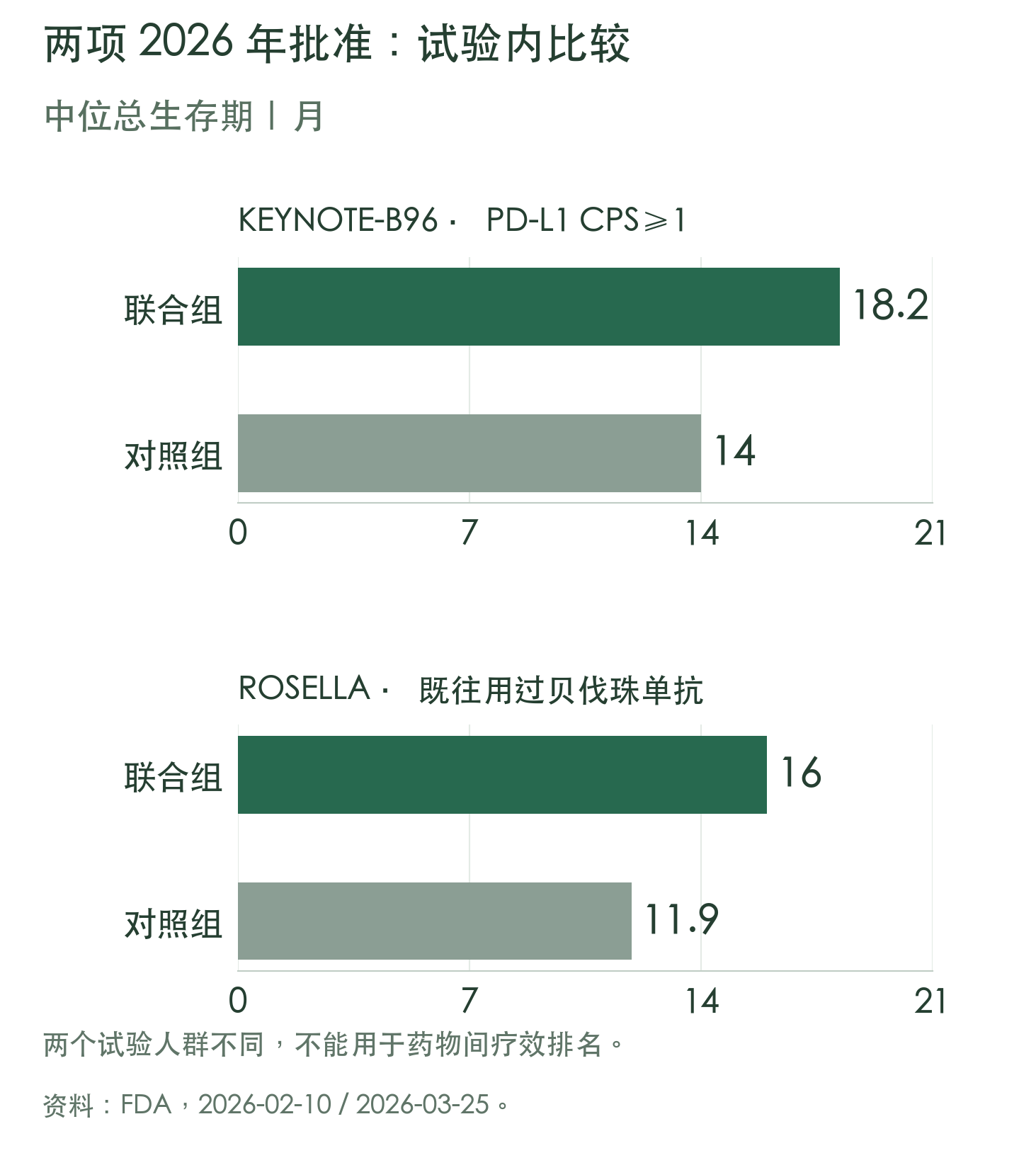
Figure 2 | Top: the pembrolizumab combination versus matched control in the CPS ≥1 population. Bottom: relacorilant plus nab-paclitaxel versus nab-paclitaxel alone. Data from FDA 2026 approval announcements. Populations and background treatments differ, so these trials cannot establish which drug is stronger.[7,8]
Relacorilant's research rationale is modulation of glucocorticoid receptor-related signaling, but nab-paclitaxel remains chemotherapy. The regimen also involves neutropenia, serious infection, adrenal insufficiency, and conflicts with certain essential glucocorticoid treatments. A new mechanism does not mean easier treatment or permission to ignore existing medication.[8]
Histological differences within ovarian cancer matter too. In 2025, avutometinib plus defactinib received FDA accelerated approval for KRAS-mutated recurrent low-grade serous ovarian cancer, based in part on response data from 57 participants. This differs from the more common high-grade serous ovarian cancer and should not be generalized into "a new regimen for all ovarian cancer."[9]
TROP2, B7-H4, CDH6, and claudin 6 are also investigational directions. Assess maturity by checking each drug, cancer type, and trial phase. Broad target expression supports research but does not establish benefit for most patients. Payload risks differ too; interstitial lung disease should not be presented indiscriminately as a feature common to all ADCs.
3. Metabolism and Reproduction: Treatment Goals Still Need Separating After Renaming
PMOS Brings Problems Beyond the Ovary Back into Care
In May 2026, The Lancet published a global multistep consensus establishing polyendocrine metabolic ovarian syndrome, PMOS, as the new name for PCOS. The process involved clinical, academic, and patient organizations, used global surveys and Delphi methods, and planned a transition period, education, and links with disease classification systems.[10]
There is a clear reason for renaming: the old term can suggest that ovarian cysts are the central problem, obscuring ovulatory dysfunction, androgen excess, metabolic risk, and psychological burden. But a naming consensus does not reclassify everyone as having the same severe metabolic disease or authorize weight-loss drugs for all. Diagnosis and management still depend on symptoms, investigations, reproductive plans, and relevant guidelines.
The 2023 international guideline already recommended attention to glucose, lipids, blood pressure, sleep-disordered breathing, and emotional health. Insulin resistance is important pathophysiology, but clinical insulin assays have limited practical value; the guideline did not recommend a routine insulin panel to stratify every patient. The new name makes goals more complete without removing evidence boundaries.[11]
GLP-1: Weight Loss, Pregnancy Signals, and Live Birth Are Three Different Matters
The international guideline permits consideration of weight-management medicines, including semaglutide, for higher-weight adults alongside active lifestyle intervention, following general-population obesity principles. It also emphasizes effective contraception, long-term care, and discussion of weight regain after stopping. Tirzepatide is a dual GIP/GLP-1 receptor agonist and should be distinguished from a single GLP-1 receptor agonist.[11]
A 2025 prospective randomized open-label trial assigned 100 women with overweight/obesity and PCOS, of whom 80 completed the study. The first 16 weeks compared metformin alone with metformin plus semaglutide; afterward both groups used metformin alone. The combination produced greater initial weight loss, followed by spontaneous pregnancy proportions of 35% versus 15% during weeks 16–40.[12]
This reproductive signal deserves further testing, but the sample was small, there were withdrawals, and the study primarily observed weight-related changes. Pregnancies occurred during follow-up after semaglutide was stopped. It did not establish safety during pregnancy, cannot alone prove increased live birth, and cannot be generalized to all PMOS patients without overweight or obesity.
For those seeking pregnancy with anovulatory infertility and no other infertility factors, letrozole remains guideline-recommended first-line medication. A 2014 double-blind randomized trial of 750 participants, observed for up to five treatment cycles, found cumulative live birth proportions of 27.5%, 103/374, with letrozole versus 19.1%, 72/376, with clomiphene. Live-birth studies answer a question closer to the reproductive goal than weight, ovulation, or menstrual recovery alone.[11,13]
| Reproductive plans belong in medication discussions: US semaglutide prescribing information requires stopping at least two months before a planned pregnancy. Tirzepatide specifically warns of an interaction with oral hormonal contraception: use a nonoral method or add barrier contraception for four weeks after starting and after every dose increase. This must not be extended into a claim that all GLP-1 drugs make contraceptive pills ineffective. The medical team should confirm stopping and contraception arrangements.[14,15] |
|---|

Illustrative photograph | Daily activity supports long-term health management. The image does not represent a study exercise prescription or drug effect.
Contraceptive Development: Convenience Cannot Replace Safety and Effectiveness
More convenient administration can improve experience. US prescribing information available in 2026 for a low-dose norelgestromin/ethinyl estradiol patch specifies eligible BMI and retains cardiovascular, thrombotic, and smoking restrictions associated with combined hormonal contraception. Transdermal delivery does not remove estrogen-related risk. The reported Pearl Index must be interpreted by exposure time, not rewritten directly as a one-year failure rate for all users.[29]
Nonhormonal oral male contraception deserves attention, but project names and stages require correction: the candidate with an early human publication is YCT-529. Its 2025 phase I study included only 16 men and primarily tested single-dose safety and pharmacokinetics. Tolerability does not establish prevention of partner pregnancy with long-term use or fully answer restoration of fertility after discontinuation.[30]
4. Maternal Prevention: Some Evidence Is in Practice, Some Remains Predictive
Maternal RSV Vaccination: Separate "Severe Disease" from "Hospitalization"
Maternal vaccination prompts antibody production in the pregnant person, followed by placental transfer to the fetus. MATISSE was a multinational randomized double-blind phase III trial assessing medically attended RSV lower respiratory tract illness and severe outcomes within it. Evaluation included 3,570 infants in the vaccine group and 3,558 in the placebo group.[16]
Within 90 days of birth, medically attended severe RSV lower respiratory tract illness occurred in 6 versus 33 infants, corresponding to vaccine efficacy of 81.8%, 99.5% confidence interval 40.6%–96.3%. Within 180 days, cases were 19 versus 62, efficacy 69.4%, 97.58% confidence interval 44.3%–84.1%. These are cumulative windows; the two case counts cannot be added.[16]
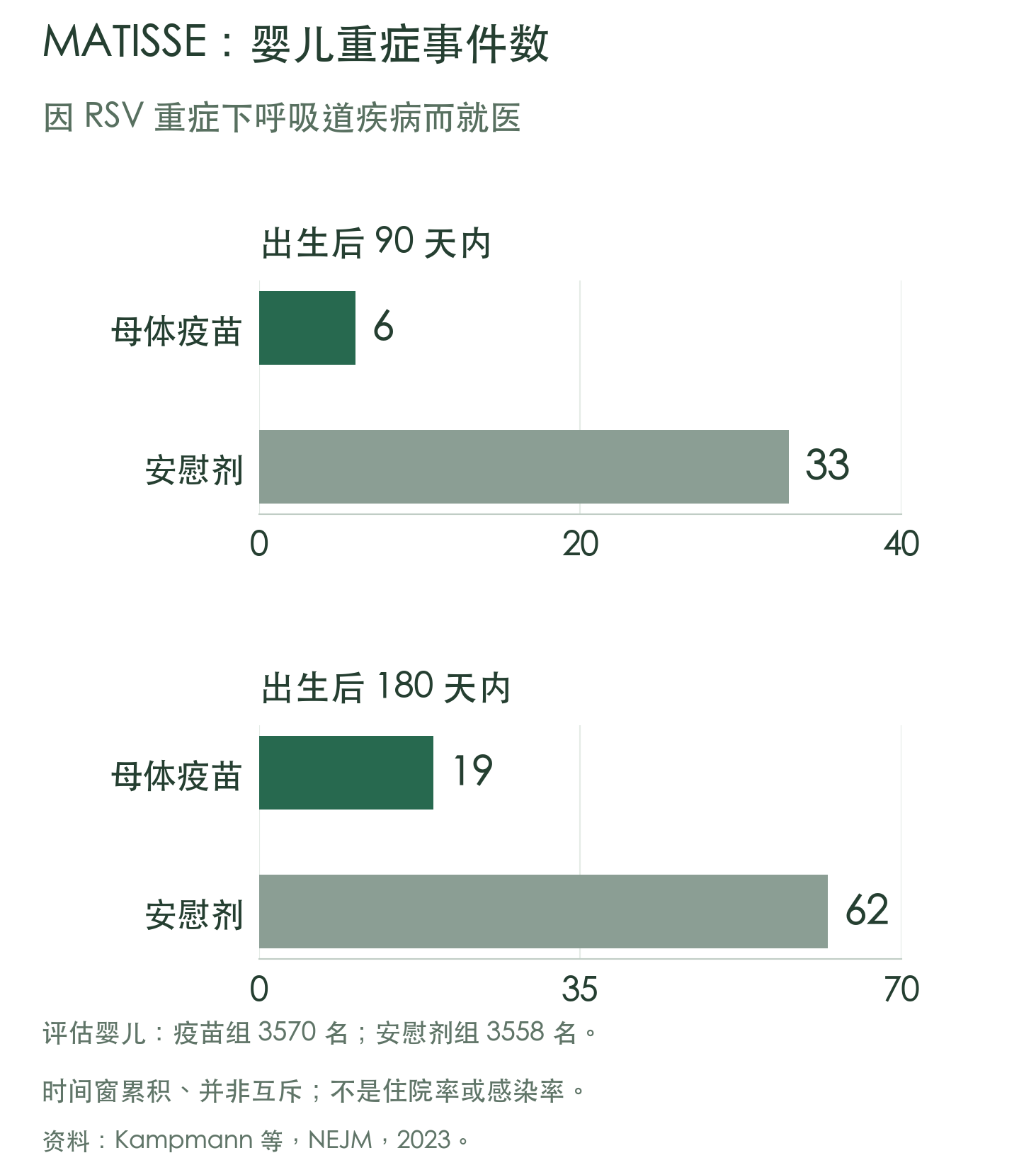
Figure 3 | The MATISSE medically attended severe disease endpoint, not all RSV infections, ordinary visits, or hospitalization. The 90- and 180-day windows are cumulative. Original efficacy estimates and confidence intervals appear in the text.[16]
For all medically attended RSV lower respiratory tract illness within 90 days, the same trial estimated 57.1% efficacy but did not meet the prespecified statistical success criterion. An attractive percentage cannot be selected while omitting whether a primary endpoint requirement was met. The CDC page's separately reported hospitalization reduction is another endpoint and must not be mixed with severe-disease figures.[16,17]
Trial vaccination occurred at 24–36 weeks of pregnancy, while the US CDC clinical schedule is 32 weeks through the end of week 36, with seasonal requirements for most US regions. Trial enrollment and actual recommendations differ. US RSV seasonality, epidemiology elsewhere, and local policies cannot be copied interchangeably.[17]
Maternal vaccination and direct long-acting antibody prophylaxis for infants are different protection pathways. Most infants do not routinely require both. Adequacy of maternal antibodies, interval between vaccination and birth, and particular health circumstances all matter. This is a discussion of overseas preventive evidence, not an individualized cross-border vaccination plan.
GBS6: Antibodies Transfer, but Clinical Protection Still Needs Demonstration
Group B streptococcus can cause invasive neonatal infection. A 2023 phase II GBS6 study showed maternal vaccination could induce antibodies and transfer them to infants. Seroepidemiological data were also used to discuss possible protective thresholds, but reaching an antibody concentration is not equivalent to a randomized trial showing a corresponding reduction in sepsis or meningitis.[18]
BEATRIX, NCT07160244, is currently a recruiting phase III project. Its registry was updated in September 2026, with primary attention to safety, tolerability, and immunogenicity; estimated primary completion is 2028 and overall completion 2029. These are projected dates, not launch promises.[19]
As vaccine evidence and regulatory pathways develop, existing GBS screening and intrapartum antibiotic prophylaxis where appropriate retain their place. Investigational vaccine potential is not a reason to abandon established prevention.
Preeclampsia: Prevention, Diagnosis, and Short-Term Risk Prediction Are Different
Early-pregnancy risk stratification identifies people needing more active prevention and follow-up. Later, in symptomatic suspected cases, angiogenic markers may help assess near-term risk. These are different clinical contexts. Presenting a "high detection rate" as a guarantee for every pregnancy omits population, screen-positive rate, and prediction horizon.
The ASPRE randomized trial selected singleton pregnancies at high risk of preterm preeclampsia and began a low-dose aspirin study regimen early in pregnancy. Of 1,776 randomized participants, the primary analysis included 798 assigned aspirin and 822 placebo. Delivery with preeclampsia before 37 weeks occurred in 1.6%, 13 cases, versus 4.3%, 35 cases; odds ratio 0.38, 95% confidence interval 0.20–0.74.[20]
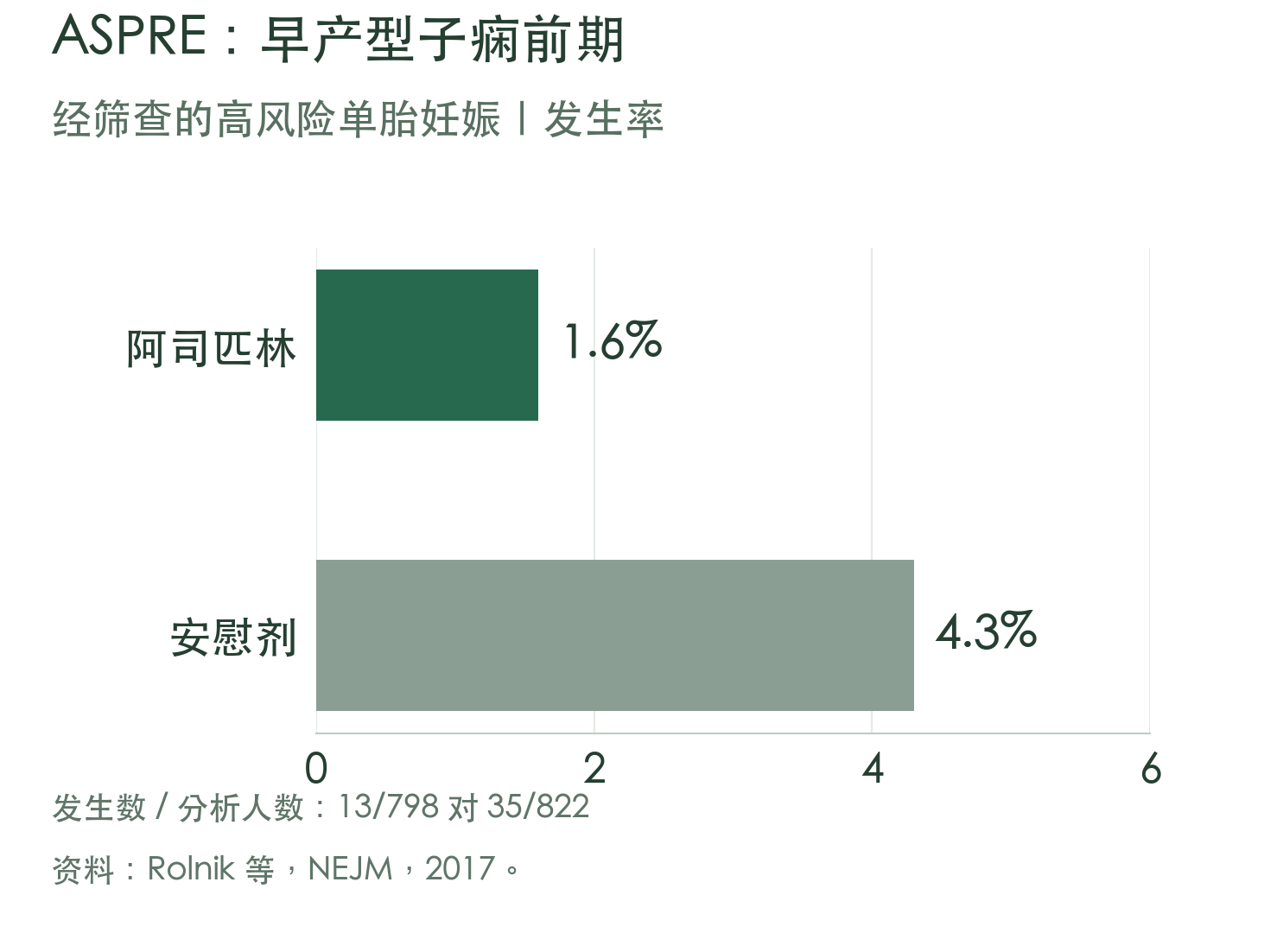
Figure 4 | ASPRE's specific high-risk population and preterm outcome. Using rounded paper figures, the absolute difference is approximately 2.7 percentage points. Odds ratios and risk ratios differ. This is not a universal effect for every pregnant person or all preeclampsia.[20]
"Approximately a 60% reduction" must be read in context: the trial selected high-risk participants, restricted the outcome to preterm disease, and specified starting time and follow-up. Individual aspirin use must be decided by obstetric teams according to risk, contraindications, and local guidance, not started independently from this chart.
PROGNOSIS, by contrast, was prospective observational research. In singleton pregnancies at 24 weeks through the end of week 36 with clinically suspected preeclampsia, an sFlt-1/PlGF ratio ≤38 had a 99.3% negative predictive value for no preeclampsia over the following week. This is neither a guarantee for the entire pregnancy nor universal screening accuracy.[21]
Another US study of hospitalized hypertensive pregnancies tested a threshold ≥40 at 23–35 weeks to predict progression to preeclampsia with severe features over two weeks. Population, assay, threshold, and endpoint differ; 38 and 40 cannot be interchanged or presented as one uniform threshold for the same FDA testing scheme.[22]
| A low-risk result cannot cover new clinical changes: angiogenic markers support stratification but must be interpreted with blood pressure, symptoms, urinary protein, and organ function. Persistent headache, visual disturbance, or upper abdominal pain afterward requires timely obstetric contact. An earlier short-term prediction cannot replace reassessment. Emerging research on metformin, statins, and other treatments likewise does not create a universal prevention prescription. |
|---|

Illustrative photograph | A family scene, not images of participants in maternal–infant vaccine or preeclampsia research.
5. Menopause Treatment: Nonhormonal Drugs Broaden Options
NK3 and NK1/NK3: Subtract the Placebo Response When Assessing Efficacy
Menopausal hot flashes involve central thermoregulation. Fezolinetant blocks NK3 receptors, while elinzanetant acts on both NK1 and NK3. Both US labels restrict the indication to moderate-to-severe vasomotor symptoms associated with menopause. They offer new symptom-treatment pathways, not established coverage of all menopausal problems.[23–26]
In the randomized double-blind SKYLIGHT 1 trial, the fezolinetant 45 mg group had an additional reduction of approximately 2.55 moderate-to-severe hot flashes daily versus placebo at week 12. This is a trial dose and between-group comparison, not a guaranteed reduction for every individual or a basis for personal prescribing.[23]
OASIS 1 and OASIS 2 enrolled 396 and 400 participants respectively. At week 12, elinzanetant produced an additional reduction of approximately 3.2 moderate-to-severe hot flashes daily versus placebo in each trial. Sleep disturbance and menopause-related quality of life also improved, but these involve different scales and endpoints from hot-flash counts.[24]
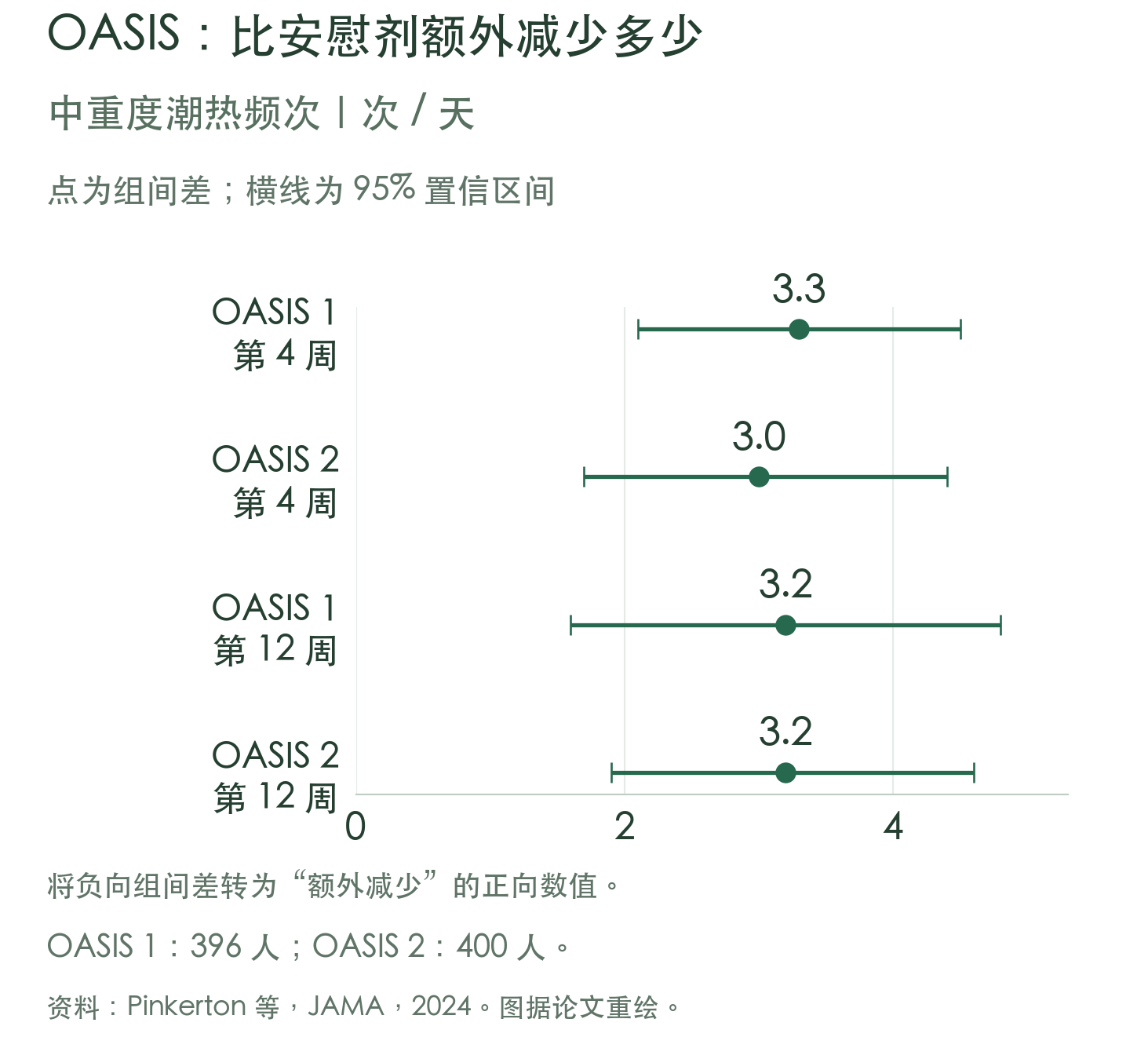
Figure 5 | The chart shows additional reductions relative to placebo, not the drug group's total decline from baseline. Negative between-group differences in the original paper were converted to positive reduction values, with confidence intervals transformed accordingly. No patient data were added or simulated.[24]
New mechanisms mean treatment need not depend entirely on hormones, but also require careful separation of goals: reducing hot flashes, improving sleep, relieving vaginal dryness, and protecting bone are different objectives. Nonhormonal does not automatically mean safer. Improvement in hot flashes does not establish age reversal or replacement of every hormone therapy.
| Medicine in US prescribing information | Important monitoring and restrictions |
|---|---|
| Fezolinetant | Boxed warning for serious liver injury. Test before treatment, monthly during the first three months, and again at months six and nine. Consider liver/kidney disease and drug interactions. |
| Elinzanetant | Assess liver function before treatment and again three months after initiation. Consider somnolence, daytime impairment, and interactions; current information also lists seizure risk and pregnancy restrictions. |
These arrangements come from each current label and cannot be collapsed into "both need liver tests." Fezolinetant's strengthened postapproval warning following liver-injury signals illustrates different roles for preapproval randomized trials and postmarketing monitoring: the former establishes effects under specified conditions; the latter continues detecting less common risks.[25,26]
Fibroids, Endometriosis, and Postpartum Depression Have Separate Development Pathways
The oral GnRH antagonist linzagolix has relevant EU indications involving uterine fibroid symptoms and endometriosis in previously treated patients. It suppresses gonadal-axis signaling to reduce related hormones, with goals distinct from hot-flash medication. Add-back therapy balances symptom control against low-estrogen effects. Bone-density risk, duration, and exclusion of pregnancy all need assessment; "oral and avoids surgery" is insufficient.[27]
For postpartum depression, zuranolone received FDA approval in 2023 as a short-course oral treatment for adults. Its pivotal research used depression-scale changes and it carries a boxed warning for impaired ability to drive or operate hazardous machinery. A short course adds an option; it does not mean "completely cured in two weeks" or replace subsequent assessment, psychological support, and family care.[28]
Together, these directions show specific needs in women's health development: reducing long-term symptoms and treatment burden, preserving function, and enabling sustainable care. Evaluation must consider not just symptom changes but what happens after stopping, safety, costs, and whether follow-up can be delivered.

Illustrative photograph | Natural scenery provides a reading interval and conveys no drug efficacy or medical advice.
6. Diagnostics and AI: Detectable Does Not Mean Outcomes Improve
Salivary microRNA, cell-free RNA, circulating tumor DNA, and embryo imaging algorithms provide new information. Development reports must still ask who was studied, what reference standard was used, whether independent external validation occurred, and which treatment decisions changed. High sensitivity does not guarantee trustworthy positive results, much less fewer misdiagnoses, operations, or fertility failures.
Randomized trials already allow evaluation of AI embryo-selection claims. A 2024 Nature Medicine randomized double-blind noninferiority trial of 1,066 participants compared deep learning with morphological assessment. Clinical pregnancy proportions were 46.5% versus 48.2%, risk difference −1.7 percentage points, 95% confidence interval −7.7 to 4.3. The trial did not meet its prespecified noninferiority criterion.[31]
This does not establish that every AI tool is ineffective. It shows that a particular model's clinical performance in a particular population requires trial evaluation. More consistent scoring or faster operation is not the same as higher live birth. A nonsignificant difference also does not prove complete equivalence.
| Steps easily omitted in development reports | Why they change conclusions |
|---|---|
| Target population and real setting | A test that performs well in specialist high-risk populations may have different implications for positive results in low-risk screening. |
| Management following the result | Identifying higher risk still requires an effective, acceptable response pathway; more tests do not automatically improve outcomes. |
| External validation and long-term follow-up | Single-center findings and short-term measures need testing across laboratories, populations, and long-term clinical outcomes. |
| Patient burden and resources | Companion tests, repeat assessments, costs, and adverse-effect management determine whether tools can enter routine practice. |
International obstetric and gynecological development has produced verifiable changes: new later-line options for some difficult cancers, more complete terminology for metabolic and reproductive management, maternal vaccines protecting infants from some severe disease, and nonhormonal hot-flash drugs broadening symptom care. Every advance has conditions and unanswered questions.
For patients, the useful consultation material is not a list assuming more new drugs is always better, but their own disease subtype, prior treatments, priority symptoms, and reproductive plans. Clinicians and development observers must continue judging verifiable endpoints: who benefits, how much, at what cost, and whether results persist with longer follow-up and real healthcare conditions.
Publications, Guidelines, and Regulatory Sources
[1] Moore KN, et al. Mirvetuximab Soravtansine in FRα-Positive, Platinum-Resistant Ovarian Cancer. NEJM. 2023.
https://doi.org/10.1056/NEJMoa2309169
MIRASOL: 453 participants, open-label randomized phase III; the text and chart use published paper results.
[2] FDA. Mirvetuximab soravtansine-gynx traditional approval. 2024-03-22.
https://www.fda.gov/drugs/resources-information-approved-drugs/fda-approves-mirvetuximab-soravtansine-gynx-fra-positive-platinum-resistant-epithelial-ovarian
US indication, companion diagnostic, and ocular toxicity warning. Regulatory announcement figures follow its own analysis framework and were not mixed into the paper-based chart.
[3] Vergote I, et al. Tisotumab Vedotin as Second- or Third-Line Therapy for Recurrent Cervical Cancer. NEJM. 2024.
https://doi.org/10.1056/NEJMoa2313811
innovaTV 301: 502 participants, open-label randomized phase III.
[4] FDA. Tisotumab vedotin-tftv traditional approval. 2024-04-29.
https://www.fda.gov/drugs/resources-information-approved-drugs/fda-approves-tisotumab-vedotin-tftv-recurrent-or-metastatic-cervical-cancer
US indication and trial exclusion criteria.
[5] Meric-Bernstam F, et al. DESTINY-PanTumor02 primary results. Journal of Clinical Oncology. 2024 (published online in 2023).
https://doi.org/10.1200/JCO.23.02005
267 participants, single-arm phase II; investigator assessment in the centrally tested IHC 3+ subgroup, and pulmonary toxicity.
[6] FDA. T-DXd tumor-agnostic accelerated approval. 2024-04-05.
https://www.fda.gov/drugs/resources-information-approved-drugs/fda-grants-accelerated-approval-fam-trastuzumab-deruxtecan-nxki-unresectable-or-metastatic-her2
Restricted to HER2 IHC 3+, prior systemic therapy, and no satisfactory alternatives; based on ORR and duration of response.
[7] FDA. Pembrolizumab with paclitaxel for platinum-resistant ovarian cancer. 2026-02-10.
https://www.fda.gov/drugs/resources-information-approved-drugs/fda-approves-pembrolizumab-paclitaxel-platinum-resistant-epithelial-ovarian-fallopian-tube-or
KEYNOTE-B96: 643 participants; the 466 with PD-L1 CPS≥1 form the data population in this article.
[8] FDA. Relacorilant with nab-paclitaxel for platinum-resistant ovarian cancer. 2026-03-25.
https://www.fda.gov/drugs/resources-information-approved-drugs/fda-approves-relacorilant-nab-paclitaxel-platinum-resistant-epithelial-ovarian-fallopian-tube-or
ROSELLA: 381 participants; prior treatment had to include bevacizumab.
[9] FDA. Avutometinib plus defactinib for KRAS-mutated recurrent low-grade serous ovarian cancer. 2025-05-08.
https://www.fda.gov/drugs/resources-information-approved-drugs/fda-grants-accelerated-approval-combination-avutometinib-and-defactinib-kras-mutated-recurrent-low
Accelerated approval; single-arm evidence from 57 participants does not represent all ovarian cancer.
[10] Teede HJ, et al. Polyendocrine metabolic ovarian syndrome, the new name for polycystic ovary syndrome: a multistep global consensus process. Lancet. 2026.
https://doi.org/10.1016/S0140-6736(26)00717-8
Global multistep naming consensus; implementation of the new term includes a transition period.
[11] Teede HJ, et al. Recommendations From the 2023 International Evidence-based Guideline for PCOS. JCEM. 2023.
https://doi.org/10.1210/clinem/dgad463
Weight-loss drugs, contraception, metabolic risk assessment, and first-line letrozole ovulation induction recommendations.
[12] Chen H, et al. Combined metformin and semaglutide therapy in overweight/obese women with PCOS: randomized open-label trial. Reproductive Biology and Endocrinology. 2025.
https://doi.org/10.1186/s12958-025-01447-3
100 randomized participants, 80 completers; semaglutide stopped after the 16-week intervention, with follow-up for spontaneous pregnancy.
[13] Legro RS, et al. Letrozole versus clomiphene for infertility in the polycystic ovary syndrome. NEJM. 2014.
https://doi.org/10.1056/NEJMoa1313517
750 participants in a double-blind randomized trial; primary outcome cumulative live birth.
[14] Semaglutide current U.S. prescribing information(2026-06 version).
https://dailymed.nlm.nih.gov/dailymed/drugInfo.cfm?setid=ee06186f-2aa3-4990-a760-757579d8f77b
Stop at least two months before planned pregnancy; use and safety information follow prescribing information.
[15] Tirzepatide current U.S. prescribing information(2026-09 version).
https://dailymed.nlm.nih.gov/dailymed/drugInfo.cfm?setid=487cd7e7-434c-4925-99fa-aa80b1cc776b
Interaction with oral hormonal contraception; additional arrangements for four weeks after starting and after each dose increase.
[16] Kampmann B, et al. Bivalent Prefusion F Vaccine in Pregnancy to Prevent RSV Illness in Infants. NEJM. 2023.
https://doi.org/10.1056/NEJMoa2216480
MATISSE: randomized double-blind phase III; medically attended severe lower respiratory tract illness in infants.
[17] CDC. RSV Vaccine Guidance for Pregnant Women(page retrieved for this review dated 2024-08-30).
https://www.cdc.gov/rsv/hcp/vaccine-clinical-guidance/pregnant-people.html
US gestational-week and seasonal recommendations; cannot directly determine vaccination arrangements in China.
[18] Madhi SA, et al. Potential for Maternally Administered Vaccine for Infant Group B Streptococcus. NEJM. 2023.
https://doi.org/10.1056/NEJMoa2116045
GBS6 phase II immunogenicity and antibody-transfer evidence; does not establish a proportionate reduction in infant cases.
[19] ClinicalTrials.gov. BEATRIX, NCT07160244(updated 2026-09-25).
https://clinicaltrials.gov/study/NCT07160244
Phase III, recruiting; focuses on safety, tolerability, and immunogenicity; completion dates are estimates.
[20] Rolnik DL, et al. Aspirin versus Placebo in Pregnancies at High Risk for Preterm Preeclampsia. NEJM. 2017.
https://doi.org/10.1056/NEJMoa1704559
ASPRE: 1,776 randomized, 1,620 in the primary analysis; outcome delivery with preeclampsia before 37 weeks.
[21] Zeisler H, et al. Predictive Value of the sFlt-1:PlGF Ratio in Women with Suspected Preeclampsia. NEJM. 2016.
https://doi.org/10.1056/NEJMoa1414838
PROGNOSIS: prospective observational validation; negative predictive value of ≤38 for remaining free of disease over the following week.
[22] Thadhani R, et al. Circulating Angiogenic Factor Levels in Hypertensive Disorders of Pregnancy. NEJM Evidence. 2022.
https://doi.org/10.1056/EVIDoa2200161
US hospitalized hypertensive pregnancies; threshold ≥40 and risk of severe features within two weeks; not interchangeable with PROGNOSIS.
[23] Lederman S, et al. Fezolinetant for menopausal VMS: SKYLIGHT 1. Lancet. 2023.
https://doi.org/10.1016/S0140-6736(23)00085-5
Randomized double-blind phase III; hot-flash frequency and severity endpoints.
[24] Pinkerton JV, et al. Elinzanetant for VMS: OASIS 1 and 2. JAMA. 2024.
https://doi.org/10.1001/jama.2024.14618
Two randomized double-blind phase III trials; between-group differences and confidence intervals used in Figure 5.
[25] Fezolinetant U.S. prescribing information(2026-03 version); FDA liver-injury safety update (2024-12).
https://dailymed.nlm.nih.gov/dailymed/drugInfo.cfm?setid=cae9f798-24f9-4580-a4fc-e6c710cbda3c
Boxed warning for serious liver injury; tests at baseline, monthly for the first three months, and at months six and nine.
[26] Elinzanetant U.S. prescribing information(2026-08 version).
https://dailymed.nlm.nih.gov/dailymed/drugInfo.cfm?setid=f42884ff-7dff-419c-8a0c-affe2ed73818
Nonhormonal VMS indication; liver function, somnolence/daytime ability, pregnancy, and seizure risks.
[27] EMA. Linzagolix: medicine overview and product information.
https://www.ema.europa.eu/en/medicines/human/EPAR/yselty
Indications for fibroid symptoms and endometriosis symptoms after prior treatment; add-back therapy and bone-density assessment.
[28] FDA. First oral treatment for postpartum depression. 2023-08-04.
https://www.fda.gov/news-events/press-announcements/fda-approves-first-oral-treatment-postpartum-depression
Zuranolone; short course, depression-scale endpoints, and boxed warning for impaired driving ability.
[29] Norelgestromin / ethinyl estradiol low-dose patch U.S. prescribing information(2026-10 version).
https://dailymed.nlm.nih.gov/dailymed/drugInfo.cfm?setid=e92741f4-87fe-429f-b5b5-c558ed5f4fa9
Eligible BMI and thrombosis risk; Pearl Index is not directly a one-year failure rate.
[30] Safety and pharmacokinetics of the non-hormonal male contraceptive YCT-529. Communications Medicine. 2025.
https://doi.org/10.1038/s43856-025-01004-4
16 participants, phase I single ascending doses; did not test prevention of partner pregnancy.
[31] Deep learning versus manual morphology-based embryo selection in IVF: randomized noninferiority trial. Nature Medicine. 2024.
https://doi.org/10.1038/s41591-024-03166-5
1,066 participants; clinical pregnancy primary endpoint; did not meet prespecified noninferiority criteria.
This article provides health education and research-development observation, not a substitute for personal diagnosis or treatment. All study findings have specific conditions of applicability. Testing, vaccination, medication, and follow-up should be assessed by a qualified medical team in light of individual circumstances and local standards.
Read the source material
- SKYLIGHT 1: Randomised fezolinetant trial
- DailyMed: Fezolinetant US label and liver injury warning
- MIRASOL: FRα-positive platinum-resistant ovarian cancer trial
- CDC: RSV vaccination guidance during pregnancy
The original archive manuscript is restored above. These additional references offer context; their inclusion does not constitute medical validation of every original claim. Clinical and regional terminology review are pending.
A good question starts a conversation.
Explore a related editorial discussion. Reading is open to everyone; posting and replying require a free reader account.
More from the library
 Community & information · 14 MIN READWomen Overseas Are Speaking Openly About Menopause. Why Are We Still Enduring It in Silence?↗
 Community & information · 13 MIN READInternal Wellness: Turning Real Health Needs into Evidence-Based Care↗
 Community & information · 15 MIN READWorld Menopause Day Beyond a Theme: Ten Years of Priorities and Unfinished Work↗