Reading Woman on Fire: From Menopause as a Curse to Life in High Summer
An adaptation prompted by the source essay on 炙热的你: a vivid metaphor can open a conversation, while care must leave room for different feelings and choices.
In this article
1. Opening: A Book Read Until Its Pages Curled
Afternoon sunlight slanted across the windowsill when a longtime reader dropped a photograph into the community: a book with its pages curling at the edges, its cover bearing the gold-stamped Chinese title of Woman on Fire. She said it was the book she had most wanted to share with every woman she knew over the past two years. She was not a doctor, just an ordinary woman who had recently passed through perimenopause. What stayed with her was this line: “Menopause is not the late autumn of life, but its high summer.”
That sentence strikes a chord because the version we grew up hearing was its opposite: menopause meant decline, trouble, and something to endure until it passed. The first thing this book does is tear away the word “endure” and replace it with “prepare” and “understand.” This reading report both maps the book's contents and uses it to consider why women over 40 deserve to understand their bodies earlier and with greater ease. It is a long report, because the book itself deserves to be read slowly.
A guide to this article:
Section 2: Bibliographic details · 3. Why this book is worth reading · 4. Who is the author? · 5. The central argument: fire and high summer · 6. Close reading, part one: the basics · 7. Close reading, part two: changes in the second half of life · 8. Close reading, part three: reclaiming your sensual self · 9. Three things that moved me most · 10. Five misconceptions challenged · 11. A map of the menopause timeline · 12. The beauty of the storytelling · 13. Further comparison: menopause meets self-justification · 14. Calibrating the book against scientific evidence · 15. Conclusion · Sources and disclaimer.
2. Bibliographic Details
Woman on Fire: Everything About the Remarkable Female Menopause
Chinese edition title, translated here for reference (Beijing Science and Technology Press, 2023)
Written by Sheila de Liz [Germany] / Illustrated by Luisa Störmer [Germany]
Author (medical doctor specializing in obstetrics and gynecology) / Illustrator
Translated into Chinese by Ma Xinhu
Chinese translator
WOMAN ON FIRE
Original title (German subtitle: Alles über die fabelhaften Wechseljahre)
ISBN 9787571429652
233 pages · Chinese edition, 2023
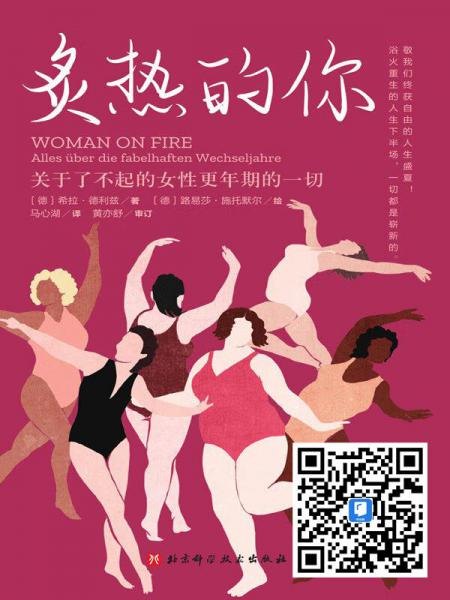
Cover of the Chinese edition of Woman on Fire (source: a publicly accessible library catalog page)
Before opening the book, a look at its terrain makes the reading easier. It has three main parts: the first establishes the basics of how hormones and menstruation work; the second catalogs symptoms and what may happen to the body in the second half of life; the third explores responses, from hormone regimens to rebuilding everyday habits. You can read it from beginning to end or go straight to the second part that best matches your concerns. At heart, it is a symptom index with warmth: start at whichever stop speaks to you. Once you understand that structure, the book feels less like a thick volume and more like a map you can consult whenever you need it.
3. Why This Book Is Worth Reading

Rock valleys and hot-air balloons in Cappadocia, Türkiye (image material; check the photographer and license against the image-library record before publication)
First, some context: among health topics, menopause may be one of those with the least information and the most prejudice. In the original edition's foreword, the author points to an uncomfortable fact: contemporary understanding of menopause remains almost where understanding of menstruation stood decades ago, surrounded by taboo and scant knowledge. When a woman undergoes dramatic bodily changes in midlife, few people around her have seriously discussed them with her. Often no older, knowledgeable woman has explained how to prepare, and few gynecologists have raised the subject openly and proactively. The result is a sudden journey into the unknown, with information that is both dull and bleak, as though menopause were a punishment women must endure, preferably without complaint.
This information vacuum is not accidental. Medical research long treated the male body as the default template, while life stages specific to women, including menstruation, pregnancy, and menopause, were treated as peripheral issues. Only over the past decade or two have mainstream approaches in evidence-based medicine renewed their attention to symptom burdens and long-term risks involving bones, cardiovascular health, and cognition in perimenopausal women. In other words, the uncertainty many women in their 40s and 50s feel today reflects a whole generation that was never properly taught. This book seeks to make up for that overdue life lesson.
The gap Woman on Fire wants to fill is precisely this missing conversation in advance. It treats menopause neither as a disease nor as an embarrassing secret, but as a life stage every woman will eventually reach that has long gone unseen. Many readers have copied out a line from the book: “As human lifespans grow longer, menopause has even become a period that lasts longer than puberty and maturity.” If it occupies so much of life, understanding and navigating it are not optional wellness pursuits; they are foundations for quality of life in its second half.
There is also a practical consideration. Between 40 and 60, women are often caring for older and younger generations while still carrying responsibilities at work, leaving the least room to attend to themselves. Work schedules and family duties push the body's signals further down the list. By the time there is finally time, these may have become chronic problems affecting quality of life. The book frames learning in advance as a responsibility to oneself precisely because this stage is so easily overlooked. It also indirectly recalls an often avoided truth: when we regard menopause as somebody else's concern, a future concern, or something too embarrassing to mention, our future selves often pay the price in silence through poorer sleep, more fragile bones, and a longer-lasting cardiovascular burden.
4. Who Is the Author? The Gynecologist People Wish They Had
Sheila de Liz is a medical doctor. Born in New Jersey in the United States in 1969, she moved to Germany as a teenager, later studied medicine at the University of Mainz, and now runs her own obstetrics and gynecology practice in Wiesbaden, Germany. She has more than 30 years of research and clinical experience [Media]. A frequent guest on German television and radio health programs, she has been called the gynecologist people wish they had. The significance of that description is that she combines solid clinical knowledge with a willingness to explain it in language ordinary people understand.
She also wrote a book well known among Chinese readers, My Body, My Choice: Everything About the Remarkable Female Body (English rendering of the Chinese title). Its Chinese edition ranked first in the science and new knowledge category of Douban's 2022 annual book list [Media]. Woman on Fire is therefore not her first book about women's bodies; it narrows her focus from the female body as a whole to menopause specifically. After publication, the original German edition spent a long time at the top of Amazon Germany's health encyclopedia book rankings and repeatedly topped the Der Spiegel bestseller list, helping spark public discussion in Europe about women's health and women's awakening [Media].
Knowing the author's background matters. This book combines clinical experience with accessible science writing; it is neither a purely theoretical text nor a specialist academic work. Her sense of mission is clear: to help women break through taboos and prejudice and explore their extraordinary bodies openly. Precisely because she has a distinct clinical position, which we discuss later, readers should treat the book as the perspective of an experienced doctor rather than a universally applicable guideline.
A clear clinical conviction runs through her writing: medical knowledge should not stay locked inside the consulting room but should be returned to the people whose bodies are at issue. Her repeated message that you need to understand a little yourself to avoid being brushed aside pushes back against paternalistic relationships in medicine and calls for women's agency. Understanding this helps us trust her expertise without being carried away by her strongest opinions. The book is a starting point, not a final destination.
5. The Central Argument: Fire and High Summer
“Faced with upheavals in their bodies and emotions, women are not destined to bear every discomfort nature has set for them. Every one of us can prepare better.” [Original book]
What moves me most is how the book retells menopause as a life stage rather than a collection of disorders. Fire is its recurring metaphor: hot flashes are a fire burning; the stage before menopause is a woman passing through flames; menopause is the arrival of rain; and beyond it lies rebirth through fire. The metaphor works because it does not prettify discomfort but reframes a loss of control as power in the process of change. For many women who have treated menopause as an embarrassing secret, being seen and having the experience given a name can itself be healing.
The idea of high summer directly challenges the narrative that menopause equals decline and late autumn. The author argues that, when the hormonal mist clears and women are no longer defined solely by being mothers, wives, or daughters, they may have a chance to embrace the most important self, the one faithful to their inner life. This is not a frivolous claim that menopause feels wonderful. It says the experience can be understood, prepared for, and even anticipated with hope. That is exactly what accessible science should do: translate fear into knowledge.
Still, honesty requires recognizing that high summer is a powerful rhetorical image, not a universal experience. For a woman struggling with severe hot flashes, persistent insomnia, or emotional collapse, the phrase may feel too light. The author uses it to give strength to women who have long been silent, not to deny anyone's suffering. Read high summer as a possibility to look forward to rather than a judgment on what you truly feel now. Acknowledging distress and believing things can improve are entirely compatible.
6. Close Reading, Part One: The Basics

White travertine terraces at Pamukkale, Türkiye (image material; check the photographer and license against the image-library record before publication)
The first part is short, but it lays the foundation for the whole book. It contains two key chapters.
1. Your Personal Firefighting Guide
From the opening, the author addresses readers as people who need a firefighting guide. Menopause is often described as the body catching fire: hot flashes, mood swings, and disrupted sleep become separate little blazes. This chapter's stance is to avoid panic and first get a map. It lays out the bodily issues the book will address as a list of ignition points, so readers know which fires are coming and how each might be put out. For newcomers to menopause information, this structure is especially welcoming: establish the whole picture before examining the details.
2. Hormone Hollywood and the Menstrual Cycle
This is one of the book's most engaging approaches to science communication. The author likens the hormone system inside a woman's body to a Hollywood film set. Estrogen, progesterone, testosterone, and other hormones become actors with distinct personalities and roles. Their entrances, interactions, and exits determine each month's bodily storyline. Menstruation becomes the monthly performance of this endocrine production.
Why devote an entire chapter to the menstrual cycle? Because understanding how things usually work is a prerequisite for understanding how they later become irregular. Many women first seriously ask what is happening inside their bodies during perimenopause, only to discover that they lack even a basic understanding of hormonal processes. This section supplies that missing lesson. It also sets up later discussion of possible postmenopausal changes in bone, cardiovascular health, and cognition, while recognizing that these changes are also affected by age, underlying conditions, lifestyle, and social circumstances and cannot be attributed to a single hormone.
Following the film-set metaphor, the author breaks the system down into clear roles. The director in the brain, the hypothalamus, sends the opening instruction through gonadotropin-releasing hormone. The producer, the pituitary gland, responds by releasing two key signals: follicle-stimulating hormone (FSH) and luteinizing hormone (LH). The real stage is the ovary: FSH recruits a group of follicles, one becomes dominant and gradually matures, and estrogen is secreted along the way. After the egg is released, the former follicle becomes the corpus luteum and takes over progesterone production. Testosterone, although present in much smaller amounts, also has a role in maintaining sexual desire, energy, and muscle. Estrogen, progesterone, testosterone, FSH, and LH are the leading players, each with a part and lines to exchange. This is an educational metaphor; actual endocrine regulation is far more complex than a cast of characters.
Applied to a month, the production unfolds in four acts, like a monthly script for the body. Act one, the follicular phase: after menstruation begins, FSH awakens a group of follicles, the dominant follicle grows, and estrogen rises steadily. The uterine lining thickens, setting the stage for a possible pregnancy. Act two, ovulation: peak estrogen triggers a sudden LH surge, releasing the mature egg. This is the climax and the window with the highest probability of conception. Act three, the luteal phase: the emptied follicle becomes the corpus luteum, and progesterone together with estrogen maintains the lining in readiness. If conception does not occur, the corpus luteum regresses after about two weeks. Act four, menstruation: both hormones fall, and the lining, no longer supported, sheds and bleeds in the monthly performance. Understanding these four acts reveals menstruation as more than a nuisance: it is a free monthly report on how the body is functioning.
The author spends so much space explaining this arrangement because the irregularity of perimenopause is, in essence, the production beginning to go off-script. The ovarian follicle pool shrinks with age, its response to FSH becomes less robust, estrogen no longer rises predictably, and ovulation becomes intermittent. Cycles move from punctuality to guesswork, and bleeding varies in amount. Once you understand who is performing and how, descriptions of fires starting and cycles becoming irregular are less frightening, and the doctor's explanations are easier to follow. This is why the book puts foundational knowledge first. What looks like a digression is actually the instruction manual and dictionary for every symptom that follows.
7. Close Reading, Part Two: Changes in the Second Half of Life
This is the longest part and the one most directly connected to symptoms: essentially a dictionary of menopausal symptoms. The author divides the journey into three stops along a timeline: the early transition before obvious cycle changes, the stage before menopause, and menopause itself. At each stop, vivid and sometimes darkly humorous subtitles give names to feelings that otherwise seem impossible to describe.
The Early Transition: The Fire Has Just Started
The chapter described as the early transition, “I Can See the Fire Burning,” covers early signs when hormones have begun fluctuating but periods remain regular. The author points out that many people equate menopause with periods stopping, although the body may send signals long before then. These signals are often so subtle that they are attributed to recent tiredness or stress.
Before Menopause: The Woman in the Flames
This chapter lists nearly all the most familiar perimenopausal concerns, each worth noting down:
- The Monthly Surprise: When Cycles No Longer Follow a Pattern: cycles become irregular, with greater variation in bleeding. The author places this in the context of common symptoms while reminding readers that abnormal bleeding still needs investigation rather than endurance.
- A Crime Scene in the Bathroom: Heavy Periods: a playful title introduces a serious issue, abnormal uterine bleeding and excessive menstrual flow. It affects quality of life and may conceal conditions such as anemia.
- Seasonal Melancholy and The World Is So Beautiful, Yet I Am So Irritable: unexplained emotional ups and downs. The author releases mood changes from accusations of a flawed personality and places them in the context of hormonal and neurochemical changes.
- Wide Awake: The Nights When You Wake Halfway Through: lighter sleep and early waking. The author treats these as characteristic menopausal concerns rather than blaming overthinking.
- Water, Give Me Water! Hot Flashes Arrive: hot flashes and night sweats become the fire most frequently mentioned throughout the book. The author explains their physiology and how they interrupt work during the day and sleep at night.
- Release Your Desire: Passion Through the Flames and A Dangerous Woman: Clear-Eyed and Unconstrained: these two sections are distinctive. The author neither avoids changes in sexual desire nor portrays middle-aged women through the stereotype of sexual indifference. Instead, she describes how some women become clearer about what they want and feel more liberated after hormonal changes.
Menopause: The Rain Arrives
The chapter “It Is Raining: Menopause” turns toward possible long-term bodily changes after menopause, covering almost an entire guide to genital and whole-body health:
- Riding a Horse with No Name Through the Desert: The Vagina's Unhappy Fate: vaginal dryness, atrophy, and discomfort during sex. Exaggerated metaphors break through shame so women can speak about these issues and seek help.
- Stop That Flowing Water: Urinary Incontinence: leakage when coughing or laughing. The author emphasizes that women need not accept this as an inevitable consequence of childbirth: it can be assessed and improved.
- Sex, Lies, and Menopause: Is It All Over?: a direct response to the myth that sex ends after menopause.
- I Do Not Want to Move: Joint Pain: aching and stiffness in muscles and joints.
- Love in the Brain: Cotton Wool and Memory Blanks: so-called brain fog. The author distinguishes it from more serious cognitive problems while offering reassurance and ways to respond.
- Trapped in Excess Flesh: Increasing Abdominal Fat: changes in metabolism and fat distribution.
- A Heavy Heart: Cardiovascular and Cerebrovascular Disease: postmenopausal cardiovascular risks vary with age, blood pressure, blood lipids, smoking, and glucose metabolism, among other factors. Changes in risk cannot all be attributed to a fall in one hormone.
- Please Do Not Leave Me: Skin and Hair After 50: changes in appearance, including thinner skin and altered hair, receive serious attention because they have a real effect on self-esteem.
- You Run Hot and Cold: When the Thyroid Goes Haywire: distinguishing thyroid problems from menopausal symptoms and warning against blaming every discomfort on menopause.
- Bad to the Bone: How Hormone Deficiency Causes Continuing Skeletal Harm: the mechanisms and long-term consequences of osteoporosis, one of the book's most significant health warnings.
After reading this section, you may strongly feel that so many unspoken embarrassments actually have names, mechanisms, and ways forward. Writing bodily awkwardness with an almost novelistic touch helps readers let go of shame. This is a central reason for the book's popularity.
One further reminder: however comprehensive the book's list may be, it covers common experiences, not every experience, and certainly not things you are guaranteed to have. In the same stage of perimenopause, one person may have severe hot flashes but a stable mood; another may have almost no hot flashes yet remain awake all night. Differences between individuals are too great for one template. Treat the list as a map, not an examination paper: use it to understand yourself and mark changes rather than to tick off symptoms and frighten yourself. Any uncertain clues belong with a doctor. A book cannot deliver that final judgment.
8. Close Reading, Part Three: Reclaiming Your Sensual Self, Reborn Through Fire

The old harbor and Mediterranean coast at Antalya, Türkiye (image material; check the photographer and license against the image-library record before publication)
If the second part identifies where the fires are, the third asks how to put them out and begin again. It moves from understanding to responding along several paths.
It is worth emphasizing that the author deliberately avoids reducing the response to one answer, hormone replacement. She places hormone regimens, choices about medical care, lifestyle, and the relationship with oneself side by side. The message is that there is more than one path to renewal, and you have the right to combine approaches according to your body, values, and doctor's judgment. This attitude matters more than any single practical recommendation in the chapter: it returns agency to the reader rather than giving one treatment the power to decide everything.
Bioidentical Hormones: The Author's Central Approach
Chapter five takes the strongest position in the book. The author discusses bioidentical hormones at length, covering 17β estrogen, progesterone, and testosterone, and introduces the window of opportunity she considers so important: starting hormonal intervention relatively early around menopause may be more favorable for long-term outcomes such as cardiovascular health. She also addresses “The Ghost in the Machine: Breast Cancer and Hormones,” confronting the connection women fear most, alongside sections such as “Becoming a Master Dragon Tamer: Bringing Your Hormones into Harmony,” “Questions and Answers on Hormone Regulation,” and “A Doctor's Perspective: Your Other Choices.”
A specific qualification is needed: this section concentrates the author's personal views and those of certain schools of thought. The book is clearly positive toward bioidentical hormones. Readers should treat it as one doctor's perspective, not the only correct answer. Section 13 below specifically discusses how to read this chapter critically.
Making Your Gynecologist a Firefighter
Chapter six is practical: how to choose a good gynecologist and which assessments may be needed beyond hormones. The author treats actively building a good relationship with a clinician as part of managing menopause, consistent with our long-standing emphasis on bringing records to appointments and making decisions together.
Dancing with Fire: Four Pillars of Health
Chapter seven provides the book's most grounded conclusion. The author sets out four pillars of health, using lifestyle as the basic framework, and includes sections with a mind-body emphasis such as “Tell Me What You Want, What You Really Want,” “The Seventh Sense,” and “Soul Cleanser: Keeping Your Soul Clean.” She does not reduce menopause to a binary choice of taking or not taking hormones, but puts it back into the wider context of how one lives and relates to oneself.
In everyday life, these four pillars amount to four practical directions. First, eat: ensure protein, calcium, and vitamin D intake and avoid extreme dieting. Second, move: schedule weight-bearing training and aerobic exercise, which help keep bones and muscles going. Third, sleep: treat sleep as something to cultivate as part of care, not something expendable. Fourth, emotions and meaning: recognize the physiological background to emotional changes while actively nurturing relationships and interests that help you relax. These four ideas are not unique to the book, but they are foundations overlooked by many women who simply want to wait for menopause to pass.
Following the approach in chapter six, the author also reminds readers that regular basic assessments matter alongside lifestyle. Bone density, blood pressure, blood lipids, and blood glucose deserve closer attention after estrogen withdrawal. They are not wellness marketing gimmicks but objective ways to turn feeling reasonably well into having reasonably reassuring data too. What to assess and how often still depends on medical advice, but actively putting assessment on the calendar is itself something to learn from the book.
The section ends with finally being free, echoing the high-summer metaphor at the beginning. After the upheaval, the freedom women gain is not a return to youth but freedom from being held hostage by the body's secrets.
9. Three Things That Moved Me Most
- Removing shame. Breasts, ovaries, menstruation, and vaginas, often surrounded by secrecy, receive serious attention as real parts of the bodies of half the world's people, directly related to quality of life. They are discussed rather than avoided. Permission to talk about them already lifts a burden for many readers.
- Written for everyone rather than patients. The author argues that understanding the body is a life lesson shared by women from 16 to over 50, not emergency homework to tackle only after a problem appears. This approach to education in advance is precisely what is so often missing.
- Language like a Netflix series. The author says her women's health lessons will be as engaging as following a series. Wrapping complex knowledge in stories and metaphors is one of the hardest and most valuable skills in science communication, and this book achieves it.
Taken together, these qualities point to the same thing. The book's power lies less in the number of standard answers it offers than in first rescuing readers from embarrassment and then handing them a flashlight. What many women lack is not willpower but the confidence that what happens in their bodies deserves serious attention. The book does not change physiology; it changes the relationship between you and your physiology. That relationship often marks the difference between suffering and greater ease.
10. Five Misconceptions Challenged

Anıtkabir, the mausoleum of Atatürk in Ankara, Türkiye (image material; check the photographer and license against the image-library record before publication)
One of the most satisfying aspects of reading the book is watching the author take inherited prejudices about menopause apart one by one. I have organized them into five common misconceptions, comparing the book's explanations with widely accepted approaches to health education today.
- Misconception one: menopause means periods stopping, and it begins only when they stop. Wrong. Many signals, including cycle changes, mood changes, lighter sleep, and hot flashes, can appear during the early transition while periods are still regular. Treating the absence of periods as the only switch can cause you to miss the earliest window, precisely when changes deserve attention.
- Misconception two: becoming irritable is a personality problem or making a fuss. The book places emotional fluctuations in the context of hormonal and neurochemical changes rather than portraying you as a difficult person. This is not an excuse for anyone; it first removes the issue from moral accusation so that responses can be discussed seriously.
- Misconception three: once menopause arrives, everything is fine and enduring it is enough. On the contrary, possible postmenopausal bone, cardiovascular, and genitourinary problems require long-term management. Their extent and the choice of treatment vary between individuals. Menopause is not a finish line but the beginning of another stage of health management.
- Misconception four: osteoporosis is something to worry about only when you are old. Changes in bone mass during perimenopause and after menopause merit early assessment; osteoporosis should not be addressed only after a fracture. This is why skeletal harm appears as one of the book's central warnings.
- Misconception five: sex and vaginal dryness are shameful topics too embarrassing to mention. The book writes about them directly and sometimes playfully to remove shame. Like toothache or short-sightedness, they are health matters that deserve, and are allowed, serious discussion and help.
11. A Map of the Menopause Timeline
This table draws together the timeline scattered throughout the book, helping you roughly locate your own stage. Ages vary between individuals; the table offers common ranges only as a reference.
| Stage | Approximate timing / age | Main changes | The book's metaphor |
|---|---|---|---|
| Early transition before obvious cycle changes | Usually begins in the early 40s and can last several years | Hormones begin fluctuating while periods remain regular, with early signs involving subtle cycle changes, mood, and sleep | “I can see the fire burning” |
| Before menopause (perimenopause) | Around 4 years before the final menstrual period, on average ages 47–51 | Noticeably irregular cycles, variable flow, hot flashes and night sweats, and concentrated mood and sleep concerns | “The woman in the flames” |
| Menopause | Established after 12 months following the final menstrual period, on average around age 51 | Periods stop; some people develop long-term changes involving bone, cardiovascular, or genitourinary health | “The rain arrives” |
| Postmenopause | All the years after menopause | Long-term health management becomes central: maintaining bone density, cardiovascular health, cognition, and quality of life | “Reborn through fire” |
Note: this table is an educational overview and cannot replace medical judgment. If you are uncertain about your stage or whether you need assessment, rely on an appropriately qualified doctor's evaluation.
12. The Beauty of the Storytelling: Why the Book Reads Like a Series

A street scene in Istanbul's Grand Bazaar, Türkiye (image material; check the photographer and license against the image-library record before publication)
Even apart from its content, the writing deserves study by people who communicate health science. The author's strongest move is joining medical knowledge to narrative pleasure.
First comes a unifying metaphor. Fire carries the whole book: ignition, passing through flames, rain, and rebirth. Readers do not have to memorize terminology; following the emotional thread of fire takes them through the journey. Second is the surprise in the titles. Phrases such as “A Crime Scene in the Bathroom” and “Riding a Horse with No Name Through the Desert” make awkward subjects funny and memorable, loosening shame through laughter. Third is treating readers as people rather than cases. Instead of piling up data, the author repeatedly connects knowledge to what you feel at this moment, inviting recognition: yes, that is exactly me.
The lesson is that good health writing must first make people want to finish reading before knowledge can take root. Cold lists never defeat anxiety, but a story that makes someone laugh and see herself can.
The illustrations by Luisa Störmer also deserve credit. Their relaxed lines and slight humor make awkward bodily subjects approachable without making them frivolous, lowering a reader's defenses as soon as the book opens. The collaboration between images and text quietly helps make the book easy to read. It reminds every health communicator that serious content and an appealing visual form have always been compatible.
13. Further Comparison: Menopause Meets Self-Justification, Connecting to Mistakes Were Made (But Not by Me)
The same publication previously reviewed Mistakes Were Made (But Not by Me) by Carol Tavris and Elliot Aronson, a social psychology classic published in Chinese by CITIC Press in 2014, translated by Xing Zhanjun, and rated 7.8 on Douban. One book concerns the body and the other the mind. They seem unrelated, yet share a hidden thread: why women stay silent and put off taking action. Reading them alongside each other is particularly useful for women over 40.
First, “just endure it and it will pass” is itself a form of self-justification. Woman on Fire repeatedly describes women attributing hot flashes, emotional changes, and disrupted sleep to tiredness or stress, realizing only much later that their bodies had been sending signals all along. This is a real-life example of the cognitive dissonance and self-justification discussed in Mistakes Were Made. Admitting that something is happening in my body conflicts with a self-image of still being young and able to cope, so the brain automatically rationalizes the signals away. The decision pyramid in that book moves from gray uncertainty at the top toward absolute certainty of being right. Applied to menopause, it becomes a slide from something seems wrong to nothing is wrong, I am imagining it.
Second, self-justification also hides in communication between patients and doctors. Woman on Fire urges readers to find a good doctor, bring records, and decide together. Mistakes Were Made reminds us that even experts, once committed to a judgment, become more likely to notice only confirming information. Together the message is clear: patients need to speak, and doctors need to be able to say they are uncertain. That is the psychological foundation of shared decision-making. It also echoes the approach in this article's source statement: cross-check even authoritative views, and follow the treating clinician and the guidelines of the country concerned.
Third, keeping records is the least expensive tool for resisting self-justification. Mistakes Were Made shows how self-justification can quietly rewrite memory; Woman on Fire emphasizes keeping an account of cycles, hot flashes, sleep, and mood. When vague feelings become written records, the brain has less room to disguise a problem. Taking those records into the consultation also moves the conversation from what I feel to what I have observed.
| Book | Field | Core mechanism | What it offers women over 40 |
|---|---|---|---|
| Woman on Fire | Women's health / menopause education | How estrogen withdrawal reshapes the body and emotions | Understand your body early rather than enduring its signals into silence |
| Mistakes Were Made (But Not by Me) | Social psychology | Cognitive dissonance → self-justification → increasingly absolute defense | Recognize how the brain helps you endure away problems and actively challenge that defense |
Ultimately, truly understanding yourself has two layers: knowledge of the body, which Woman on Fire provides, and psychological clarity about how the brain makes excuses for itself, which Mistakes Were Made explores. I suggest first reading Woman on Fire to recognize the body's fires, then Mistakes Were Made. You may discover that much of what we call endurance is not strength but the brain defending itself. Putting the two books side by side on the shelf makes that exercise of the right to understand more complete. (See the original publication's reading report on Mistakes Were Made.)
14. Calibrating Woman on Fire Against Scientific Evidence
The book's greatest value is naming symptoms that have too often been silenced. What most needs supplementing is a distinction between the author's clinical judgments and conclusions supported by guidelines. The comparison below is intended to give readers a more reliable measure, rather than weaken the book's appeal: which statements have reasonably consistent evidence, and which still depend on individual risks, treatment choices, and follow-up results.
| Topic | Emphasis in the book | How guidelines / research describe it | Boundaries readers should note |
|---|---|---|---|
| Recognizing symptoms | Hot flashes, sleep, mood, genitourinary health, and sexual health all deserve serious discussion. | NICE NG23 emphasizes that people aged over 45 with typical symptoms are generally identified as perimenopausal from clinical presentation; a single hormone test should not be treated as the only diagnostic evidence. | Abnormal bleeding, sudden weight change, persistent depression, or thyroid-like symptoms cannot all be attributed to menopause. |
| Menopausal hormone therapy (MHT) | The author is positive about the window of opportunity and regimens involving transdermal estradiol and progesterone. | NAMS 2022 considers MHT effective for bothersome vasomotor symptoms and menopause-related genitourinary symptoms; suitability depends on age, time since menopause, formulation, dose, and personal risk. | Earlier is better is not a prescription for everyone. MHT is not used for primary prevention of chronic disease in asymptomatic people, and regimens need regular reassessment. |
| Cardiovascular health and cognition | The book connects estrogen changes to cardiovascular and brain health. | WHI and subsequent analyses suggest that starting age, baseline risk, and treatment approach affect outcomes; USPSTF advises against systemic hormone therapy to prevent chronic disease. | Association does not establish a single cause. Protecting the heart cannot replace management of blood pressure, blood lipids, smoking, and glucose metabolism. |
| Bones | Changes in bone mass after menopause are an important long-term reminder throughout the book. | During use, MHT can reduce bone loss and lower some fracture risks; choosing it depends on fracture risk, contraindications, and alternative medicines. | Neither age alone nor a single bone-density measurement determines treatment. Previous fractures, medication use, falls, and factors causing secondary bone disease also matter. |
| Genitourinary symptoms | The book encourages moving vaginal dryness, pain, and urinary leakage from shame into medical discussion. | Local treatments, lubricants, moisturizers, and pelvic-floor rehabilitation can be selected according to symptoms; systemic and local treatments have different balances of risks and benefits. | Bleeding, recurrent infection, or pain requires assessment. Natural or local does not automatically mean absolutely safe. |
Bring evidence into the consulting room:
You can bring a symptom diary, menstrual dates or the date of your final period, a history of blood clots or tumors, current medicines, and the benefits that matter most to you. Shared decision-making does not mean choosing your own medication; it means putting personal preferences and verifiable risk information on the same table.
This is also the most careful way to read Woman on Fire: as a lamp illuminating questions rather than a hand writing your prescription. Terms such as bioidentical hormones and window of opportunity can begin a conversation with your doctor. The eventual plan should still follow local guidelines, product information, and individualized reassessment.
Additional research and guidelines: 1) The 2022 hormone therapy position statement of The North American Menopause Society. Menopause. 2022;29(7):767-794. doi:10.1097/GME.0000000000002028; 2) NICE. Menopause: diagnosis and management (NG23), a continuously updated clinical guideline; 3) Baber RJ, et al. 2016 IMS Recommendations on women's midlife health and menopause hormone therapy. Climacteric. 2016;19(2):109-150. doi:10.3109/13697137.2015.1129166; 4) US Preventive Services Task Force. Hormone Therapy for the Primary Prevention of Chronic Conditions in Postmenopausal Persons. 2022; 5) Cochrane Review: Hormone therapy for preventing cardiovascular disease in post-menopausal women, updated review.
Evidence note: These sources calibrate the article's health narrative and do not amount to advice for any individual to use MHT. Guideline versions, medicine availability, and contraindications vary by place and over time; check the latest versions through the links or original papers before publication.
15. Conclusion: From Getting Through It to Being Prepared
Returning to the reader's curled-edged book at the beginning, what she most wanted to share may not have been any particular recommendation but an attitude. Menopause need not be a curse endured through gritted teeth; it can be a new stage of life that is understood, prepared for, and even anticipated with hope. The book says that everything is new after rebirth through fire. The confidence behind that line comes from first understanding oneself.
If you are entering or approaching this journey, may Woman on Fire become the curled-edged book on your shelf. More important than reading, however, is putting that understanding into practice: record changes in your body and take those notes to a proper conversation with your doctor. The conversation missing for so long can begin with you.
A word also for family members and partners reading alongside her: you do not need to know every term. Willingness to listen, accompany her to an appointment, and ask whether she has been sleeping badly again already makes you a steady source of support. The fires of menopause are often put out together as a family; bearing them alone is usually the most exhausting way.
16. Sources and Further Reading
Bibliographic details: Woman on Fire: Everything About the Remarkable Female Menopause (English rendering of the Chinese title), written by Sheila de Liz [Germany], illustrated by Luisa Störmer [Germany], translated into Chinese by Ma Xinhu, Beijing Science and Technology Press, 2023, ISBN 9787571429652. Original title: WOMAN ON FIRE (German subtitle: Alles über die fabelhaften Wechseljahre).
Author and reception: bibliographic introductions from Southeast University Library and Hengyang Library; public reporting on the Der Spiegel bestseller list and the top position in Amazon Germany's health encyclopedia rankings [Media]; the Chinese edition of the author's book about the female body ranked first in Douban's 2022 science and new knowledge list [Media].
Cover image: the catalog cover provided by a publicly accessible library holdings page (lib.seu.edu.cn), used only as an illustration for this reading report.
Evidence framework: public guidelines and position statements including NAMS 2022, NICE NG23, IMS 2016, and USPSTF 2022. Bioidentical hormones and the window of opportunity as presented in the book reflect the author and certain schools of thought; specific decisions should follow the treating clinician and the guidelines of the country concerned [Academic sources].
Compliance and disclaimer:
This article is a book reading report and does not constitute medical diagnosis or treatment advice, nor does it recommend any treatment or product in the book. Content involving menopausal hormone therapy (MHT) is presented as educational background. For individual decisions, follow the guidelines of your country and consult an appropriately qualified doctor. The original publication does not sell any medicines or products other than books.
This reading report was compiled as of 2026-10-05. Bibliographic information follows the publisher's public edition; if a reissue or translation is updated, use the latest version. If this report's account of the book's views differs from the original, the original takes precedence. The cover image comes from a public library catalog page, and copyright belongs to the original publisher. The photographs of Türkiye are locally compiled image material; check each photographer, license, and attribution requirement before publication.
Read the source material
The original archive manuscript is restored above. These additional references offer context; their inclusion does not constitute medical validation of every original claim. Clinical and regional terminology review are pending.
A good question starts a conversation.
Explore a related editorial discussion. Reading is open to everyone; posting and replying require a free reader account.
More from the library
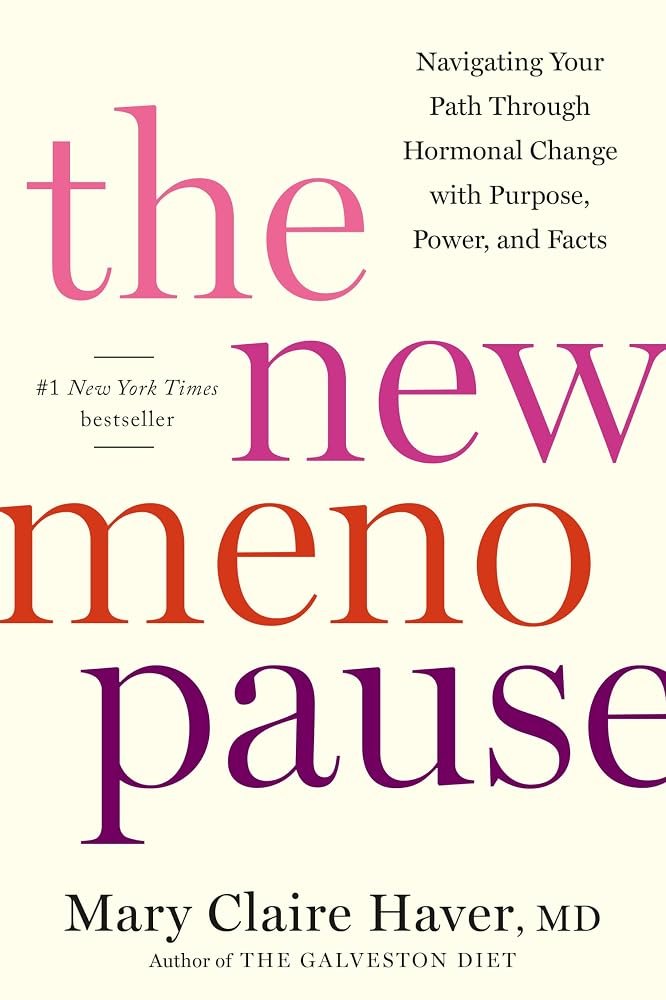 Reading & culture · 15 MIN READReading The New Menopause: When Menopause Is No Longer Something to “Just Endure”↗
 Reading & culture · 14 MIN READAntiaging and the Right to Age: Skin Evidence, Marketing, and Informed Choice↗
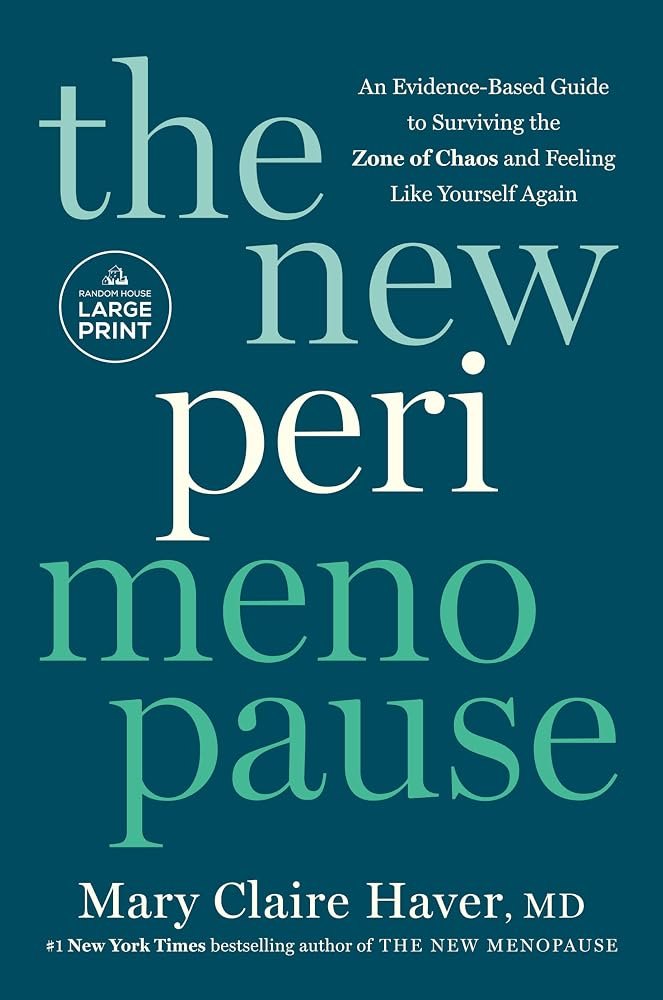 Reading & culture · 14 MIN READReading The New Perimenopause: Rediscovering Your Body in the “Zone of Chaos”↗